- Current Events The Media, the First Amendment, and President Trump
- Elections Independent Candidates in Tennessee
- Elections Darline Graham Wins South Carolina Senate Primary
- Current Events The Battle Over Mail-In Ballots
- Politics Biggs Wins Republican Nomination
- Current Events Supreme Court Settles Ongoing Water Dispute
The Election Question: To Centralize or Not to Centralize
An important element of democracy is free and fair elections. However, there are disagreements on how to keep elections that way. In a podcast earlier this month, President Trump made remarks in favor of “nationalizing,” or centralizing, elections. But what does that actually mean? And would nationalizing elections make them more democratic?
The Constitution and Elections
The U.S. Constitution created a decentralized election system. This means that when Americans vote for national candidates, such as presidents, the federal government does not operate the election.
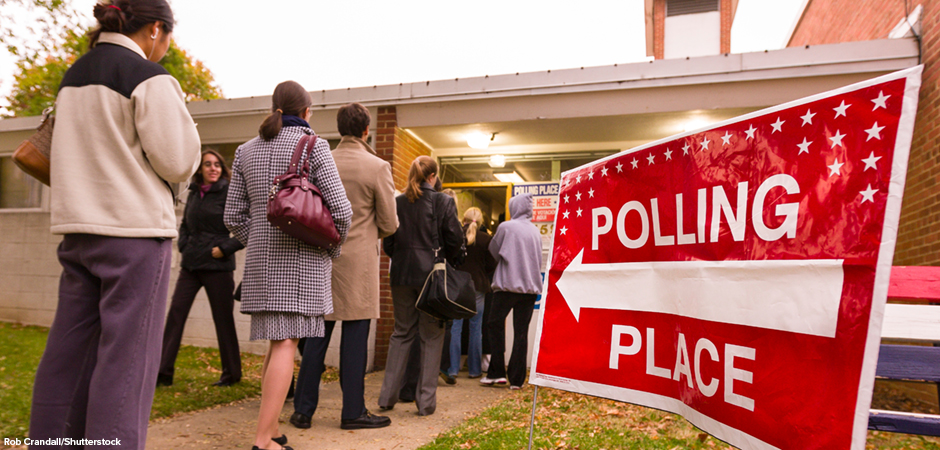
American elections are run by county and municipal election boards, often volunteers, in thousands of voting precincts across the country. This means that not every election is run exactly the same way, sometimes not even within the same state. Different voting precincts might use different voting machines, for example.
The Constitution does give the U.S. Congress control over certain aspects of elections, such as deciding when Election Day will be. But other than that, states are largely free to run their own elections.
The Debate over Centralizing
Those in favor of nationalizing elections, or centralizers, express concern about what they see to be a “patchwork” of different voting procedures. They claim that this can lead to widespread voter fraud. However, claims of election fraud have been proven to be false after many investigations.
Those who are against nationalizing elections say that the “patchwork” quality of elections serves to preserve their validity. For example, if every precinct used the same type of voting machine, and that voting machine proved to be defective, the entire election would be called into question. Decentralized elections mean that even if something goes wrong in one precinct, the election can continue without a hitch in another.
Another argument to keep elections decentralized is to move the power of controlling elections away from the federal government and a small group of leaders. Election boards operate independently and cannot be removed from their position solely based on election results. This helps ensure that elections remain fair and free of influence.
What Do You Think? After learning about these different points of view, do you think that elections should be more centralized? Explain.