- Democratic Party Election Night 2026 Results
- Current Events The Media, the First Amendment, and President Trump
- Elections Independent Candidates in Tennessee
- Elections Darline Graham Wins South Carolina Senate Primary
- Current Events The Battle Over Mail-In Ballots
- Politics Biggs Wins Republican Nomination
Election Night 2026 Results
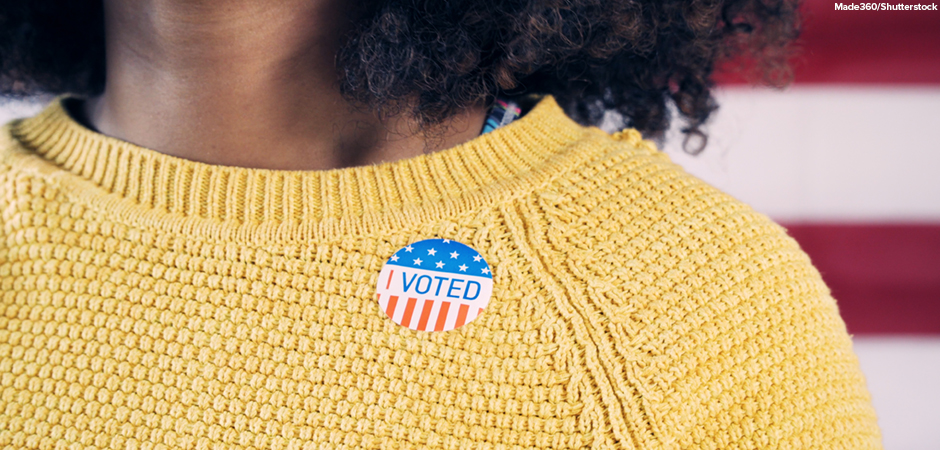
On November 3, 2026, Americans all over the country went to the polls to vote on state governors, congressional representatives, and local issues. These midterm elections were possibly going to change the balance of power in Congress and in state governments across the country. They are also important for “taking the pulse” of the nation, to see how voters feel about current leadership and events. Here, Election Central takes a closer look at the outcome of the 2026 midterm elections, and what it means for the country.
A Blue Wave
Typically, the political party in control of the White House loses some seats in midterm elections. This often occurs because voters may be frustrated with the political progress of the previous two years and wish to make a change. Going into this year’s midterms, Republicans had control of all three branches of government. But their majority in the House of Representatives was slim: just 218 seats to the Democrats’ 214. It was thought that, given past voting trends, Democrats would likely take control of the House of Representatives.
The Republican majority in the Senate was stronger: 53 seats to the Democrats’ 47. But in the days and weeks leading up to the election there were factors that suggested the Republicans were in trouble. The ongoing war in Iran and continually rising fuel and living costs caused President Trump’s approval rating to fall to record lows. This widespread disapproval trickled down to Republican congressional candidates as well. Polling numbers predicted that the voters’ mood was turning against Republicans. It began to seem like the Senate majority might also see a change.
On Election Night, Democrats took commanding control of both the House and Senate. Though all of the election results are not completely final, the numbers on Wednesday, November 4 show the Democrats gained 25 seats in the House of Representatives and gained 7 members in the Senate. Democratic candidates also won several surprising governor races.
What Happened? 
One Texas Senate race gained national attention when State Rep. James Talarico, a Democrat, began unexpectedly to gain on his opponent, Republican Attorney General Ken Paxton. In Texas, new districts have been recently drawn that favor Republican candidates. Paxton was also heavily endorsed by Trump, and Texas had not elected a Democratic senator since 1988. Despite all of this, Talarico won. Even more surprisingly, longtime Republican governor Greg Abbott lost to Gina Hinojosa. Hinojosa is Texas’s first Latina governor.
The 2026 midterms were the first time in 58 years that Iowa had an open Senate seat and governor’s seat at the same time. Democrats won both, even though Iowa is considered strong Republican state. Similarly, Kansas has not elected a Democrat to the U.S. Senate since 1932, but Democrat Adam Hamilton (a megachurch pastor) defeated the incumbent Republican Roger Marshall. President Trump threw his full support behind Marshall, but as Trump’s approval rating continued to fall, this plan backfired, allowing Hamilton to take a lead in the polls.
In the race for one of Maine’s U.S. Senate seats, long-time Republican incumbent Senator Susan Collins battled Democrat Troy Jackson, a progressive lumberjack. Jackson, who joined the race late after the previous Democrat dropped out. Jackson’s campaign linked Collins to Trump and the economic damage that Trump’s policies have done to the state. This strategy was successful, with Jackson winning and ending Collins’s thirty-year Senate career.
Many Democratic wins were important for historic and symbolic reasons as well. In Michigan, Abdul El-Sayed beat Republican Mike Rogers to claim another Democratic seat in the Senate. El-Sayed is a progressive Democrat and public health advocate whose platform centered around the concept of Medicare for All. El-Sayed becomes the country’s first Muslim U.S. Senator.
Meanwhile, in Ohio, former three-term senator Sherrod Brown, a Democrat, beat out Republican Jon Husted, the appointed incumbent. At the same time, Democrat Amy Acton beat Republican Vivek Ramaswamy for the governor’s seat, making her Ohio’s first elected female governor.
And in Georgia, Senator Jon Ossoff held his Senate seat for the Democrats. But even more historic news came from the state of Georgia. It elected Keisha Lance Bottoms as governor. This makes her the first African American woman ever elected as governor in the history of the United States.
What Do You Think? What were some major races or issues in your state or community on Election Day? If you don’t know, use internet resources to find out more. Then write a short paragraph about what you learned.